AI is my Co-founder, VC Mentor, Ghostwriter, and Coffee Buddy
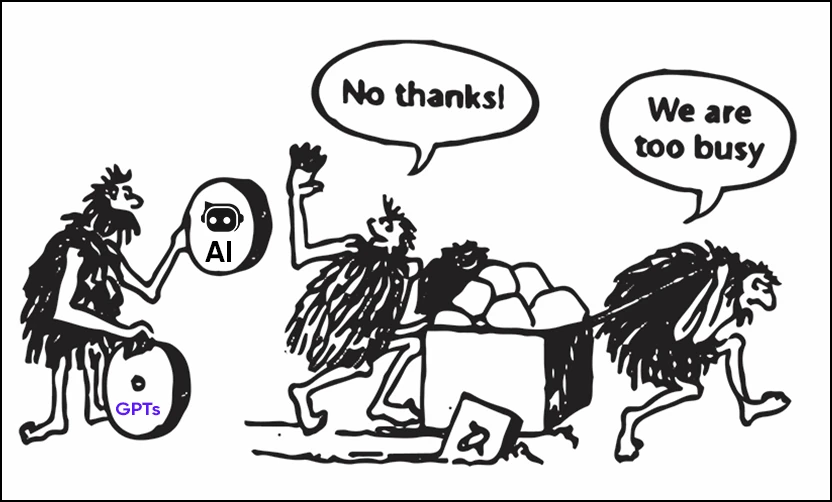
Since early 2023, I have integrated custom AI tools into my daily workflow across multiple companies and engineering initiatives. The leverage it provides across operational planning, research, and communication is substantial.
Multilingual meeting capture and synthesis
Capturing actionable decisions from cross-border meetings historically required substantial manual overhead. Today, I use AI-driven workflows that transcribe and summarize multilingual discussions across English, Vietnamese, Japanese, and Korean.
The system generates structured action items, owners, and open questions directly from meeting transcripts, reducing routine administrative coordination.
Technical research and sparring
During the early development of the Sand Battery thermal energy storage project, conveying underlying thermodynamic concepts and researching material constraints required cross-disciplinary exploration.
I used AI models as technical sparring partners: modeling thermal conductivities across different solid media, pressure-testing alternative insulation materials, and synthesizing literature in materials science. For a software engineer entering hardware and thermal physics, this accelerated the initial validation phase.
Cross-project coordination
Managing multiple concurrent initiatives requires clear synthesis across different codebases, partner discussions, and deployment milestones.
AI workflows help consolidate disparate status updates into coherent roadmaps, highlighting dependency bottlenecks and suggesting task decompositions. This allows a lean core team to oversee multiple active projects with minimal administrative friction.
Editorial drafting and writing
AI also serves as an effective editorial sounding board. It helps structure rough notes, test the clarity of technical arguments, and refine drafts into published articles efficiently.
Operational leverage
Integrating AI into daily operations shifts the baseline for what small teams can achieve. Rather than treating models as novelty chatbots, treating them as bounded, specialized assistants across research, transcription, and system architecture expands individual operational capacity.