Digital Forensic with AI 101 - Corporate Espionage by NS and DNS manipulation
Managing internet infrastructure involves critical legal and technical responsibilities. When contract disputes arise, bad actors sometimes manipulate domain Name Server (NS) records to disrupt email communications and website availability while attempting to evade contractual liabilities.
This case study examines forensic methodologies for reconstructing infrastructure timelines, establishing verifiable chains of custody under digital evidence standards, and using AI models to correlate multi-source logs during corporate disputes.
All events described in this article use generalized scenarios to illustrate digital forensic concepts.
Documenting the disruption
During an infrastructure handover dispute, several correlated events highlighted deliberate service manipulation:
- Agreed delivery and milestone dates: Milestone deliverables were completed and handed over, but contractual disbursements were delayed without operational explanations.
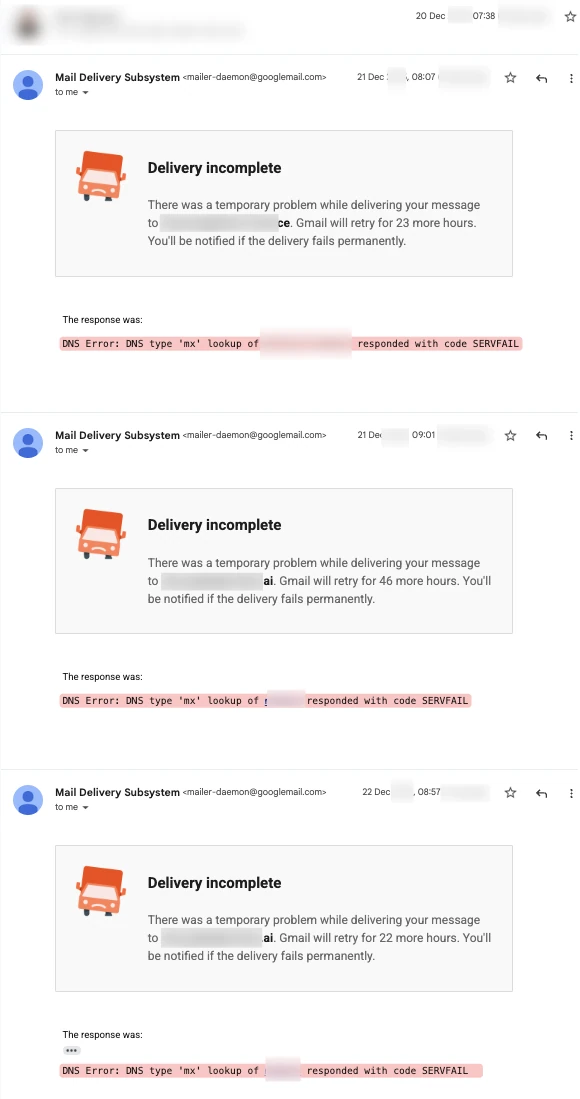
- DNS and email failure: Follow-up communications bounced due to missing or modified Name Server (NS) records. This affected multiple domains under common administrative control.
- Evasive communication: The counterparty claimed ongoing administrative review while ignoring verifiable DNS outages and attempting to recharacterize completed contractual work as informal assistance.
- Unacknowledged service blackout: The administrative portal and email routing remained offline for several days without status notifications or tickets.
Technical investigation and telemetry
Tracing DNS history across public resolvers and cloud provider logs provides an immutable timeline of administrative changes.
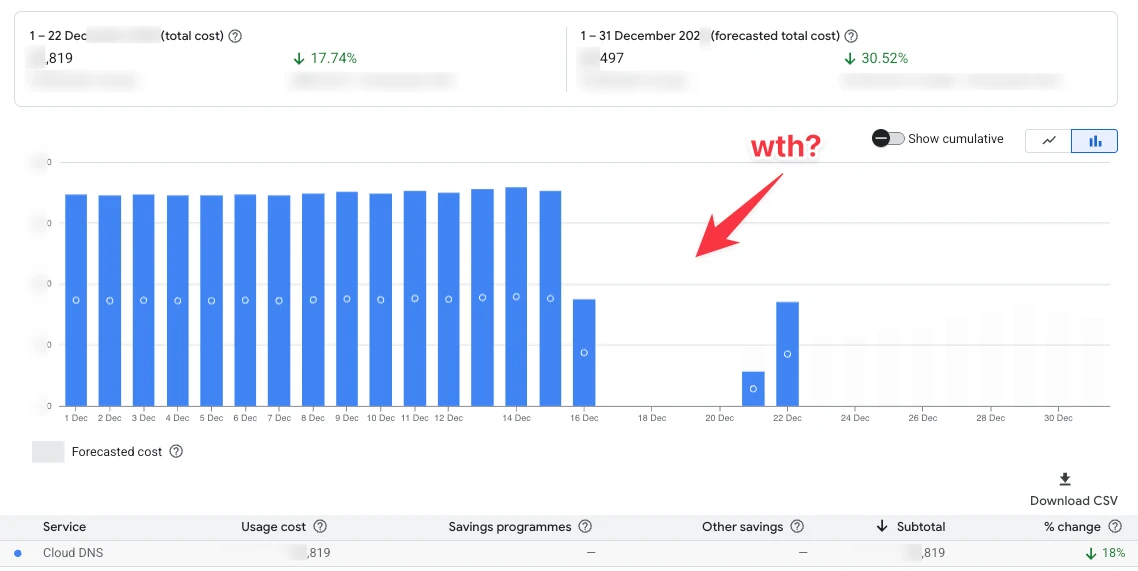
Historical NS records showed abrupt shifts between Google Cloud DNS clusters corresponding exactly with domain downtime. Cross-referencing with Google Cloud Platform (GCP) audit logs confirmed that traffic to Cloud DNS stopped during specific periods, indicating deliberate deletion and subsequent re-addition of zone delegations.
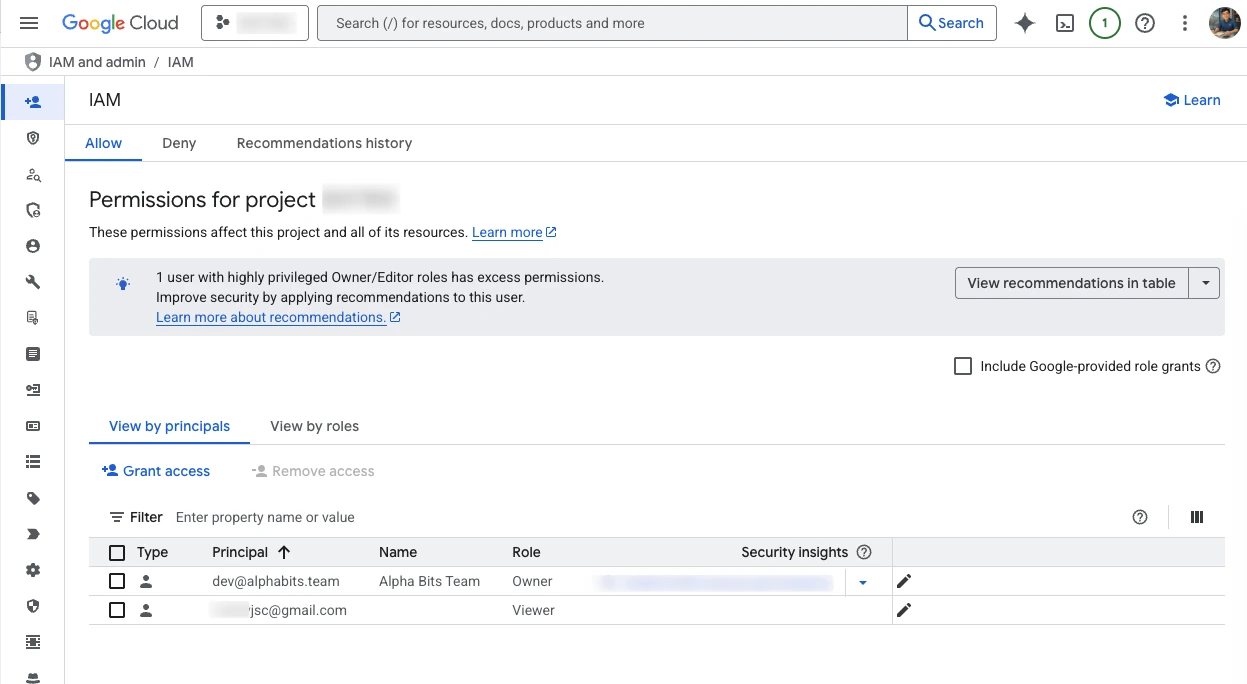
Administrative IAM permissions assigned to the engineering team remained active, alongside client-controlled administrator accounts. Billing telemetry confirmed account ownership and active subscription maintenance while incoming query traffic dropped during the dispute window.
Digital forensic toolkit
Digital forensics relies on establishing verifiable chains of custody that meet statutory evidence requirements, such as Article 95 of Vietnam's Civil Procedure Code 2015 regarding electronic evidence:
- DNS history archives: Historical DNS record trackers capture timestamped infrastructure modifications, establishing when zone delegations and administrative rights were assigned.
- Web and archive snapshots: Public web archives record public commitments, documentation, and interface states at specific points in time.
- Cloud billing and audit logs: Cloud provider billing statements and API access logs provide continuous proof of infrastructure provisioning, resource utilization, and administrative identity.
Using AI for forensic correlation
AI models excel at cross-referencing disparate logs, identifying timeline discrepancies, and synthesizing unstructured documentation across multiple repositories.
In forensic workflows, AI acts as an analytical sparring partner:
- Correlating timestamps across DNS registries, email headers, and server access logs
- Extracting timeline inconsistencies from disputed correspondence
- Matching public WHOIS and ASN records against internal cloud billing telemetry
- Drafting structured evidentiary summaries for legal counsel
While AI models accelerate log analysis and pattern matching, the human engineer remains responsible for verifying data provenance, cryptographic hashes, and evidentiary integrity.
Legal framework under Vietnam cybersecurity law
Vietnam's legal framework provides specific remedies for unauthorized infrastructure interference:
- Prohibited acts: Manipulating DNS and NS records to disrupt operational services falls under provisions against unauthorized interference and system sabotage when intended to cause financial harm or evade obligations.
- Admissibility of electronic evidence: Under Article 95 of the Civil Procedure Code 2015, verifiable digital records (DNS logs, server logs, and cryptographically timestamped records) are admissible evidence in commercial dispute resolution.
- Contractual obligations: Under the Civil Code 2015 (Articles 428-430), unilaterally revoking infrastructure access after receiving milestone deliverables constitutes actionable breach of contract.
Summary
Digital infrastructure creates immutable operational logs. Name Server manipulation, unauthorized zone deletions, and service disruptions leave timestamped records across public resolvers and cloud billing engines. Using structured forensic tools and AI-assisted correlation allows engineering teams and legal counsel to establish clear accountability in commercial disputes.