The Rise of the One-Person Dev Team
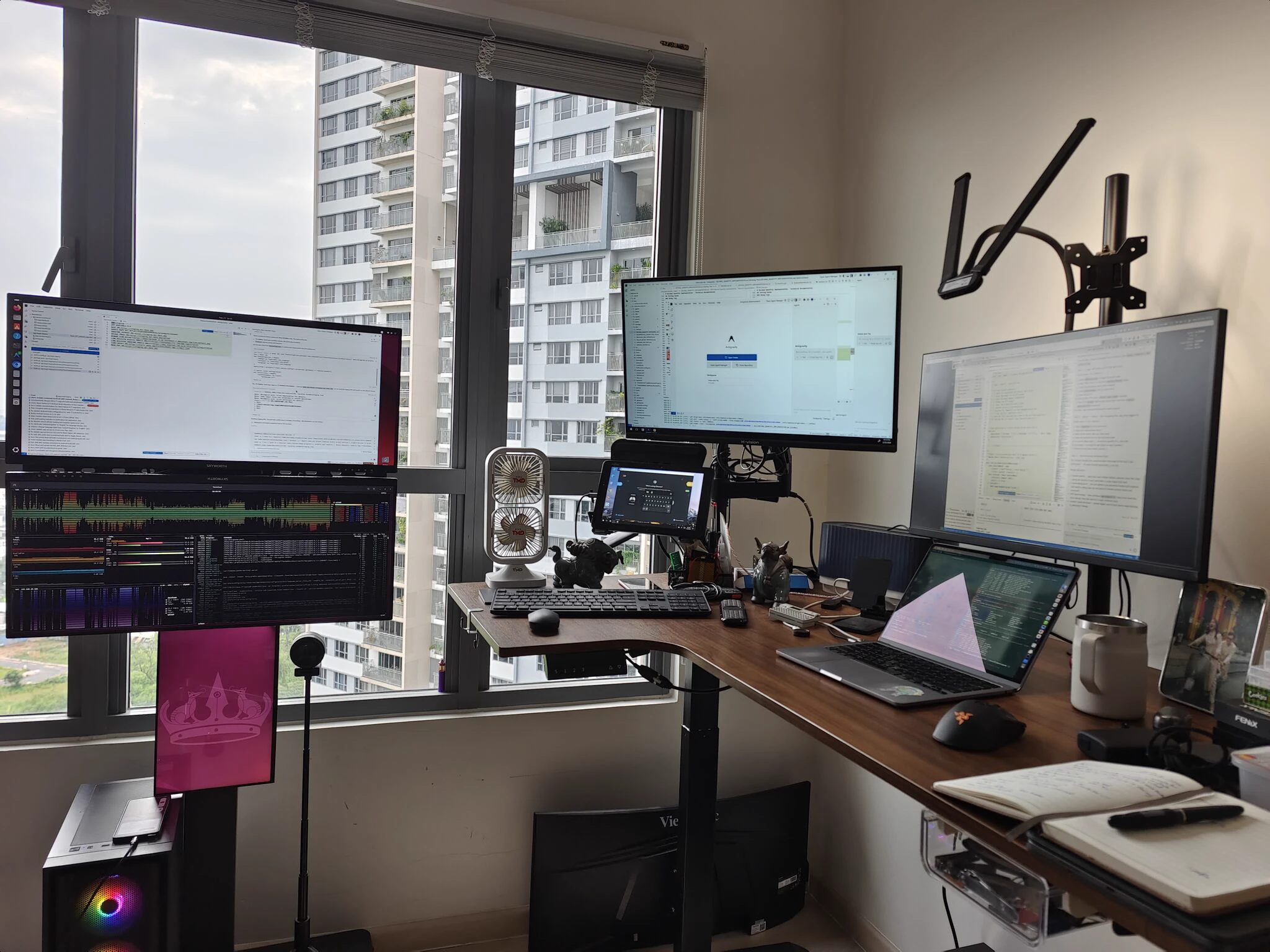
Building a full-stack SaaS product traditionally required dedicated specialists: frontend developers, backend engineers, UI designers, QA testers, and DevOps specialists. Coordinating these roles consumed substantial time in meetings, handoffs, and specification alignment. Agentic AI tools are fundamentally altering those dynamics, making it practical for individual engineers to design, build, test, and operate complex software systems independently.
1. The Tactical Multi-Agent Loop
Working effectively as a one-person dev team is not about using AI for inline autocomplete. It requires structuring work as a coordinated loop of specialized, autonomous agents with defined responsibilities:
- The Architect and Planner: Analyzes the request, inspects repository state, evaluates constraints, and drafts a compact implementation plan before modifying code. This prevents premature edits and keeps changes surgical.
- The Execution Subagent: Applies targeted code modifications within isolated file boundaries, adhering to strict style guides and established repository patterns without unnecessary refactoring.
- The Verification Subagent: Executes automated unit suites, headless smoke tests (such as native Bun WebView or Playwright CLI), and validates API payloads. It catches runtime errors before work is merged.
- The Memory Custodian: Updates durable Markdown logs, architectural decision records (ADRs), and short-term coordination files to ensure future agent runs retain full project context without amnesia.
The operational golden rule is verification over generation. Generating code is no longer the bottleneck. The real leverage lies in defining airtight, automated verification targets. If you cannot verify a change automatically via deterministic tests or headless checks, agent velocity quickly degrades into manual debugging.
2. Startup Economics: Inverting Brooks's Law
Fred Brooks famously formulated Brooks's Law: "Adding manpower to a late software project makes it later." Every additional engineer increases communication channels exponentially, introducing alignment overhead, status meetings, and merge conflicts.
The one-person dev team inverts this dynamic. When a single human architect holds the complete domain model in mind (database schema, API contracts, UI workflows, and business rules) and directs AI agents to implement the layers, communication loss drops to zero. There is no handoff friction between design and backend, no waiting on PR reviews between silos, and no ambiguity about product intent.
This structural efficiency has major economic consequences for early-stage software companies:
- The Changing Seed Round: Founders historically raised $1.5M to $2M primarily to hire four to six engineers for 18 months just to reach initial product-market fit. Today, a technical founder with disciplined agentic workflows can build, launch, and iterate on production MVPs in weeks for a fraction of that capital.
- From Ticket Closer to System Architect: The industry previously demanded developers who specialized in closing narrow Jira tickets within complex framework pipelines. In an agentic environment, value shifts entirely toward full-lifecycle architects who possess strong product taste, database fundamentals, and systemic oversight.
- Faster Capital Efficiency: Startups can validate multiple business models in parallel without carrying the recurring burn rate of large engineering payrolls before establishing product-market fit.
3. The Reality Check: Where Solo Agent Teams Fail
Agentic development is not without major risks. Without strict engineering discipline, solo builders encounter catastrophic failure modes:
- Architecture Sprawl and Dependency Bloat: Left without tight constraints, AI models tend to invent unnecessary helper utilities, duplicate business logic across files, and introduce random third-party dependencies. Maintaining a strict, minimal stack (such as HTML, CSS, Bun, Hono, and SQLite) is essential to keep context clean and avoid runaway technical debt.
- The Code Review Bottleneck: When AI agents can produce thousands of lines of code per hour, traditional line-by-line manual code review becomes impossible. Humans must review system architecture, data contracts, and test coverage rather than syntax.
- Silent Semantic Drift: Code generated by LLMs often looks syntactically polished while harboring subtle logical flaws. Without deterministic regression suites and strict type contracts, small errors compound across subsequent agent edits.
4. Operational Infrastructure: Context and Display Real Estate
In practice, the operational constraints of multi-agent development shift to physical and hardware factors:
- Context Capacity: Expanding model context windows (such as Gemini 3.7 Flash and Claude Opus) allow agents to ingest full database schemas, API specs, and codebase files simultaneously without losing state.
- Multi-Display Workstations: Orchestrating parallel agent tasks requires screen real estate to monitor active agent terminals, live test runs, and preview deployments side by side without constant window switching.
5. Reference
For an in-depth discussion on developer leverage and agentic workflows, watch The Shift to One-Person Teams on YouTube.