Vipassana 102: Sleepless Solitude, the Endless Thought Stream, and Lessons That Took Years to Land
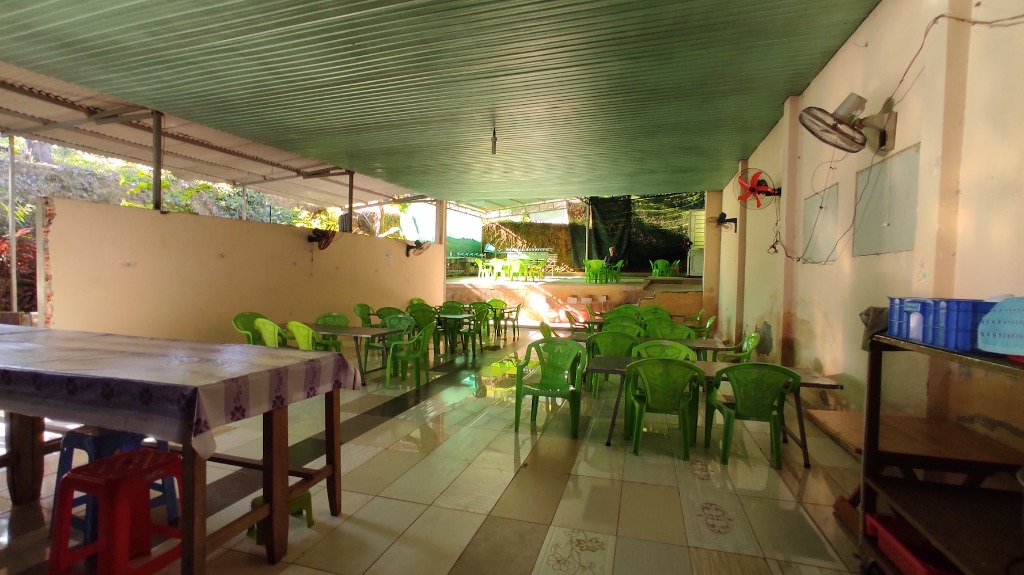
In Part 1, I wrote about signing up for a 12-day Vipassana retreat in July 2020 at Chùa Pháp Đăng Thiền Tuệ (Hồng Trung Sơn) after a registration server crashed.
Retreat accounts often suggest a clean progression from initial restlessness to calm clarity. My experience was mostly frustration, physical fatigue, and feeling unable to follow the basic instructions.
1. The mind that refused to settle
For the first several days, the primary instruction was simple: close your eyes, sit still, and observe the breath moving through the nostrils without controlling it.
I could rarely maintain focus for more than a few seconds.
The moment my eyes closed, thoughts raced: client deliverables from my Data and BI company, old disagreements, personal regrets, and random memories from years earlier. One thought sparked another in an unbroken loop.
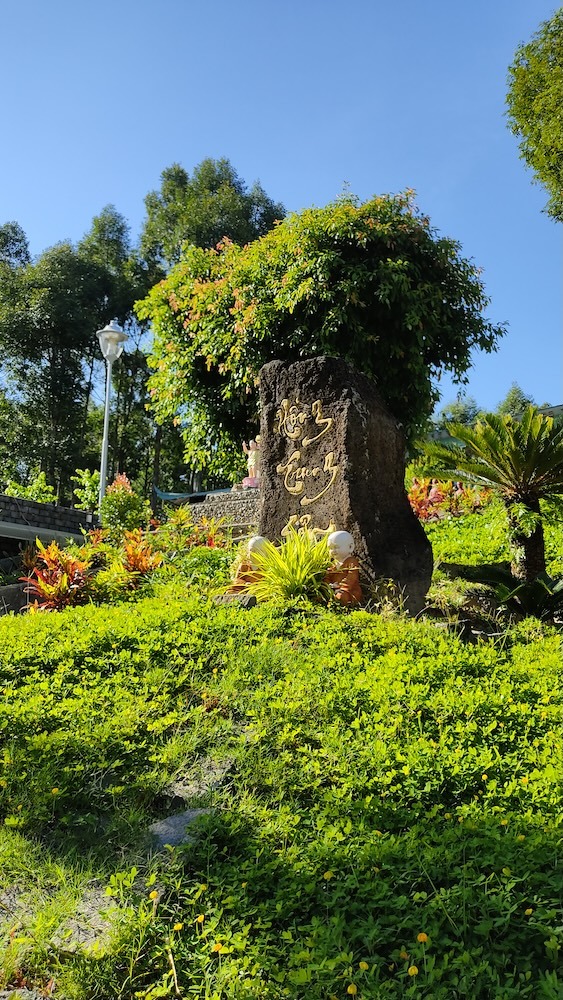
When the gong rang to reset attention, I would realize I had spent twenty minutes replaying a conversation from 2018 or refactoring database schemas in my head.
That chatter did not stop over the 12 days, and it continued for years afterward. It took years to develop the habit of noticing a thought as it surfaces and observing the physical reaction it triggers in my chest, shoulders, or stomach before reacting.
2. The trap of shifting postures
Then came the physical pain. Sitting on the floor for ten hours a day quickly strains the body. The lower back stiffens, hips lock up, and knees ache.
The natural reaction is to fidget: shift legs, cross them differently, straighten the spine, lean forward, or adjust the cushion.
Shifting usually made the discomfort worse. Every adjustment reset the cycle, drew more attention to the ache, and agitated the mind. For the first five or six days, no posture felt comfortable for long.
3. The night routine and nights of solitude
Nighttime brought a brief ritual before the quiet set in.
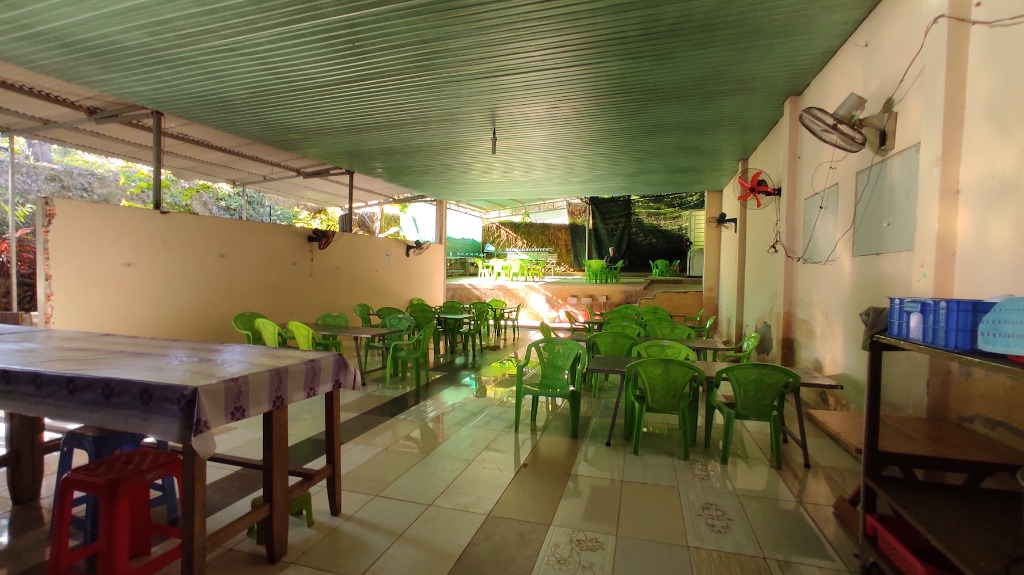
When the final evening meditation session wrapped up around 9:00 PM, we had about an hour before lights out at 10:00 PM. The bathrooms only had cold tap water. If you wanted a warm shower, you had to fetch a bucket of hot water from the communal boiler and carry it back to the washroom to mix.
Hauling that heavy bucket across the courtyard and taking a quick bucket shower became the highlight of every evening. One of the most comforting details was the small bottle of shampoo I had brought from home. In an austere environment where every device, book, notebook, and conversation had been stripped away, that familiar scent was the single piece of ordinary life I still had. Inhaling that familiar smell while washing up was the only truly comforting thought before walking back to Room 28.
Once the lights went out at 10:00 PM, the solitude turned relentless.
Lying down on the thin mattress in the dark brought another flood of thoughts. Without daylight or the hall structure, old memories, regrets, and unresolved concerns played out continuously.
I barely slept throughout the twelve days. Even while resting, my awareness stayed active, tracking mental noise in the dark.
Being cut off from external communication was straightforward; sitting alone in the dark with no phone, no conversation, and no way to distract myself from my own thoughts was far more challenging.
4. A subtle shift near the end
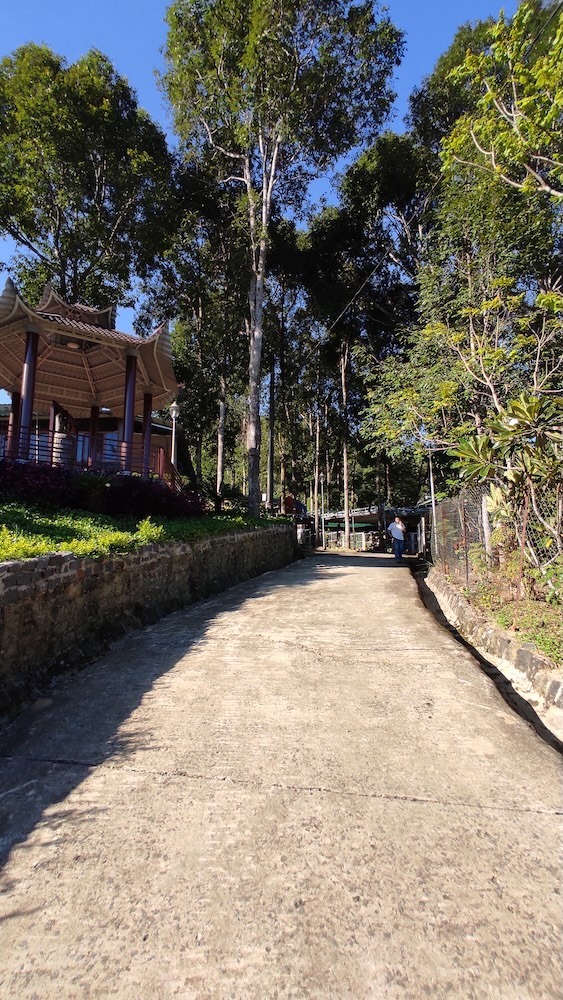
Toward the final two days, something changed.
Instead of fighting the aches in my legs and lower back, I followed the teachers' advice: observe the sensation directly without trying to alter it. Notice the heat, pressure, or pulsing as raw physical data.
When I stopped resisting the ache, the intensity softened. Sensations peaked, spread out, and gradually dissipated. For brief intervals, I could focus on the sound of breathing, and a few times I even briefly dozed off while sitting upright.
It was a modest moment of stillness rather than any dramatic breakthrough, but it demonstrated that physical discomfort changes on its own if left alone.
5. Day 10 and returning home
On Day 10, Noble Silence was lifted to help practitioners transition back to normal communication. People gathered in the courtyard, introduced themselves, and talked about their experiences.
I could not bring myself to speak.
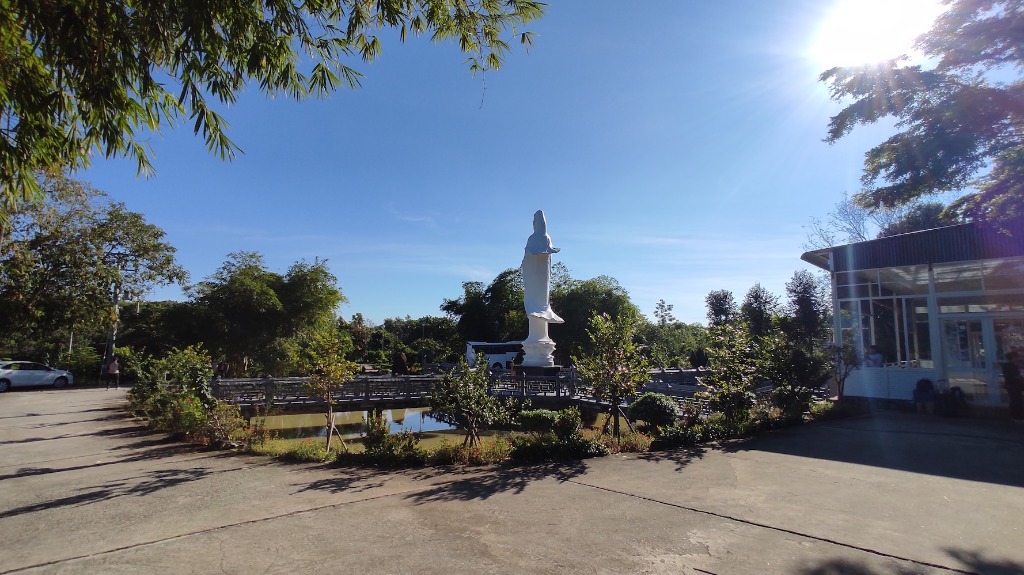
I stayed silent through Day 10 and Day 11, during the bus ride back, and until I arrived home. After days of heavy internal processing, talking felt unnecessary.
When I got back to my apartment in Saigon, the city traffic and noise were back, but my own internal reactions felt noticeably slower. The main takeaway was simple: learning to pause between an external event and an immediate reaction.